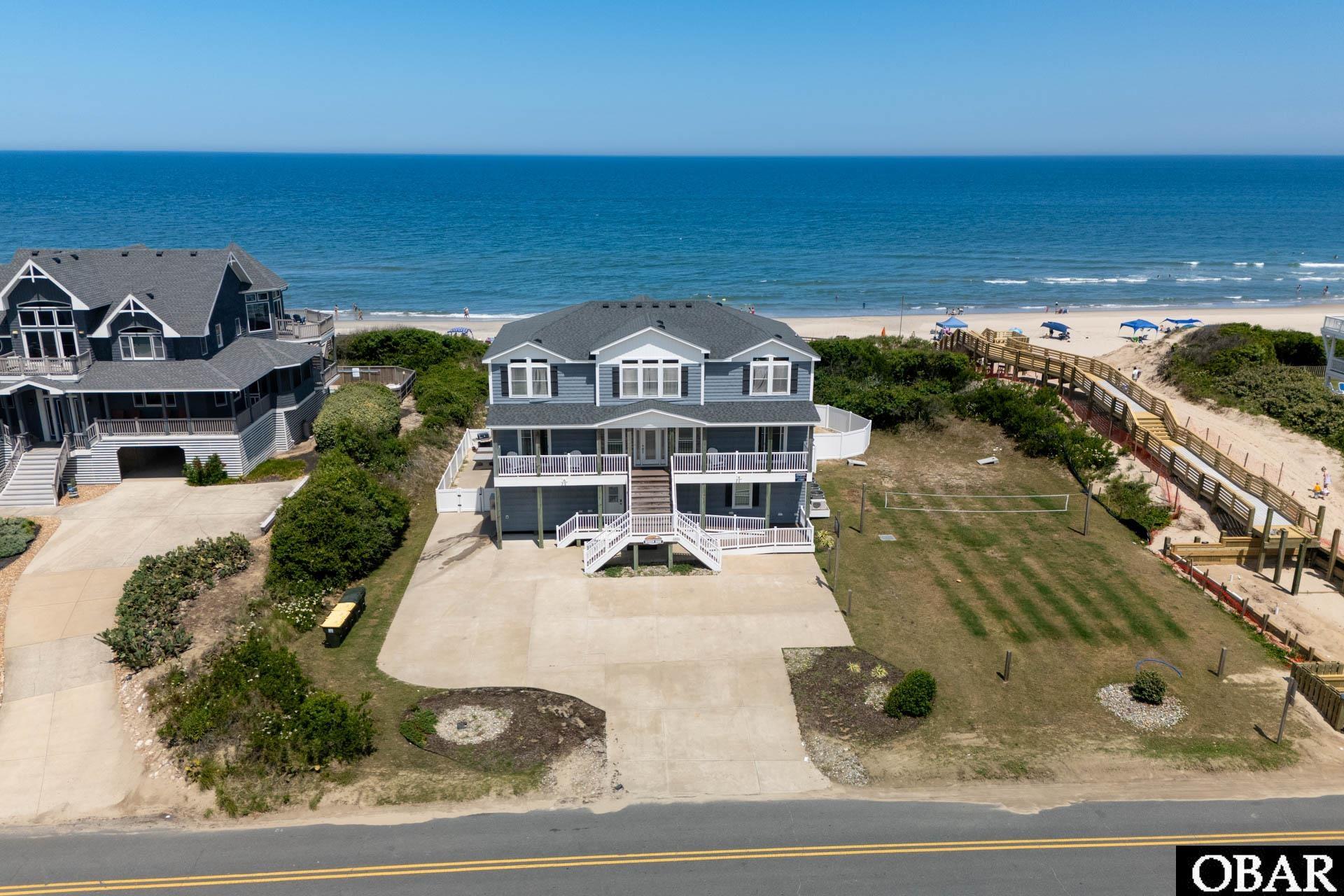
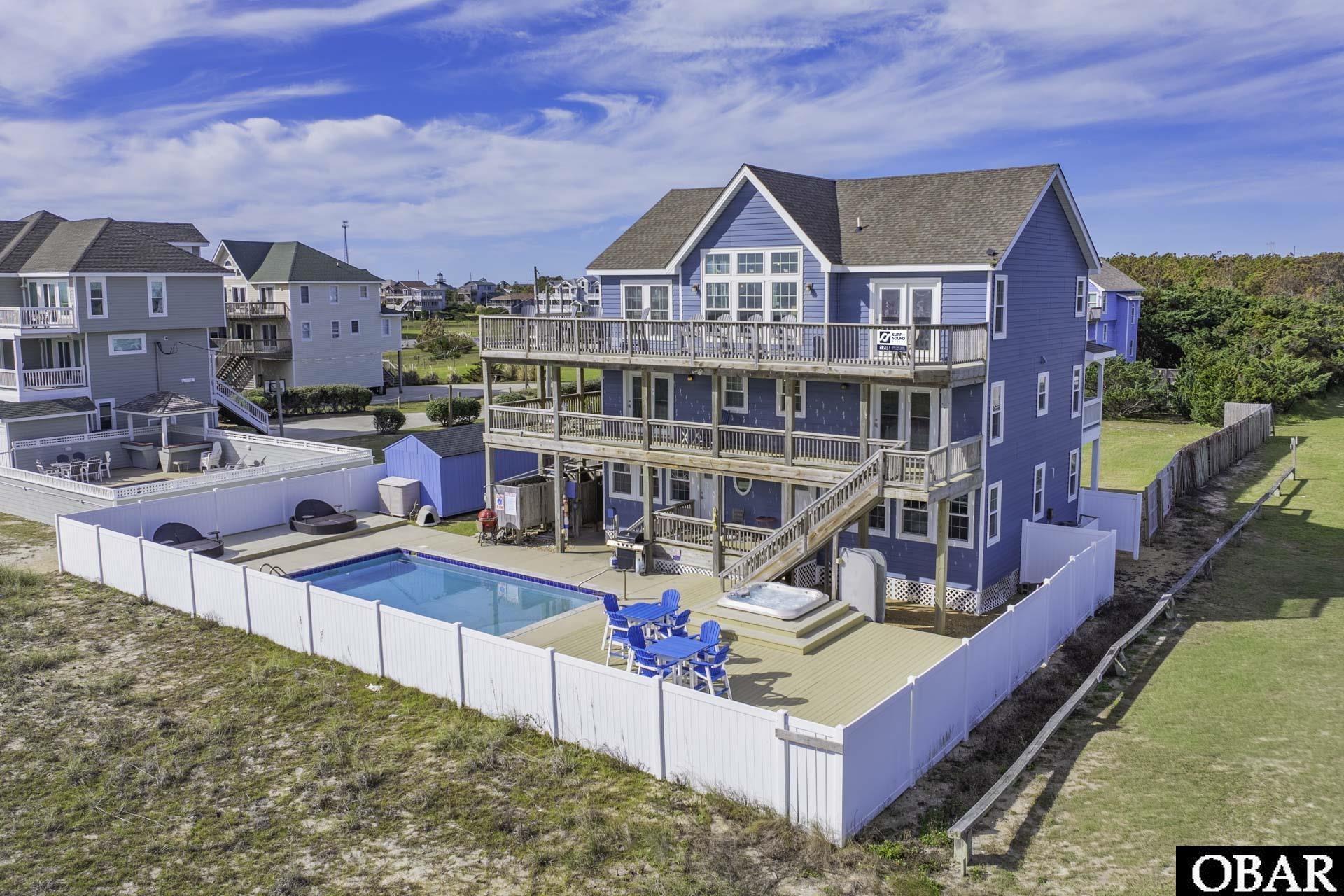
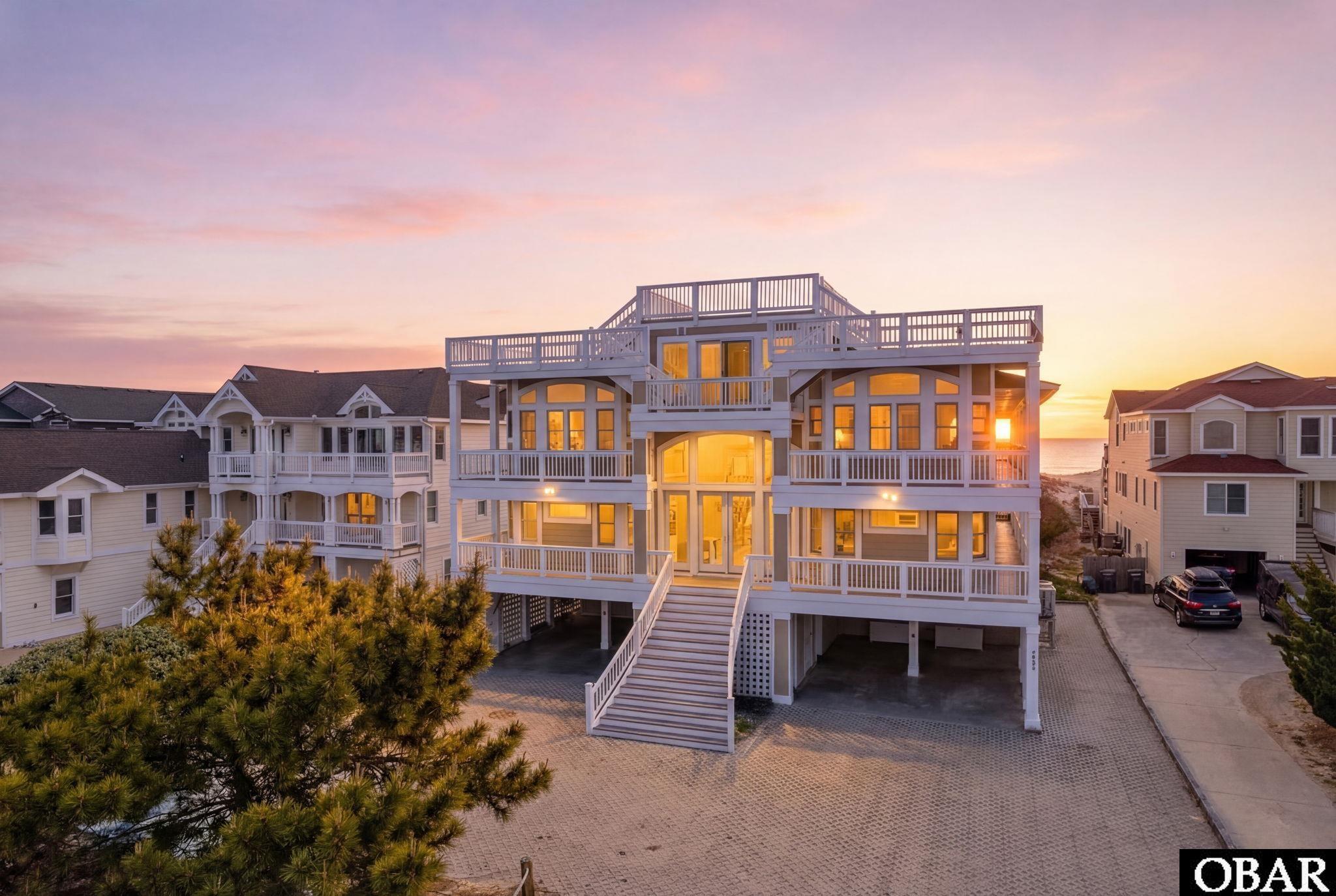
Oceanfront Wash-Ins: The Danger of the "Great Deal"
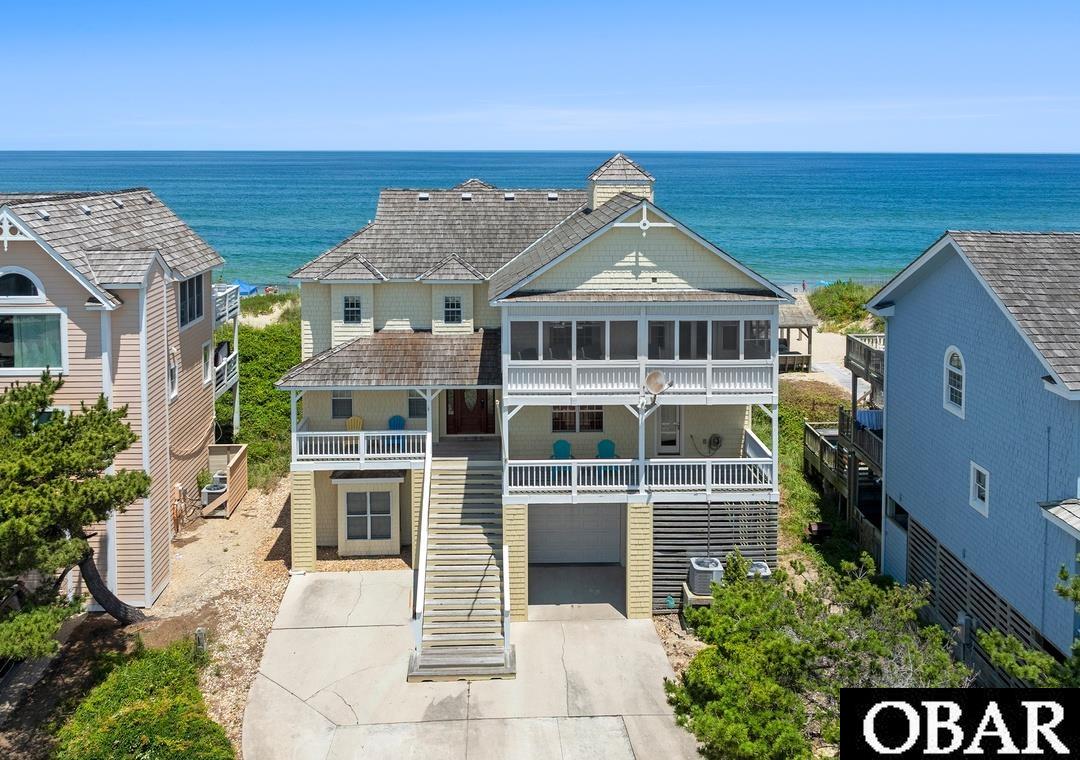
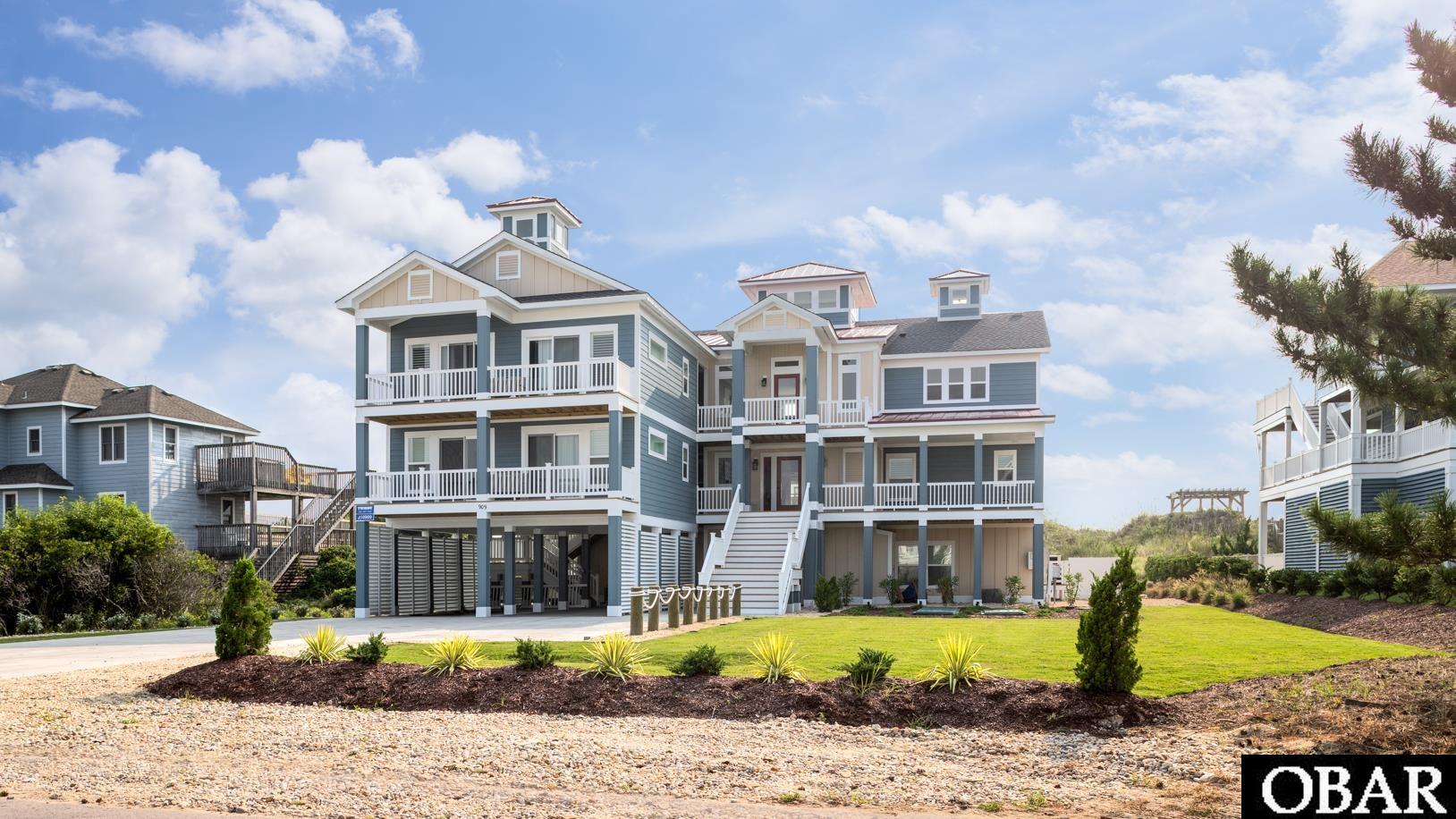
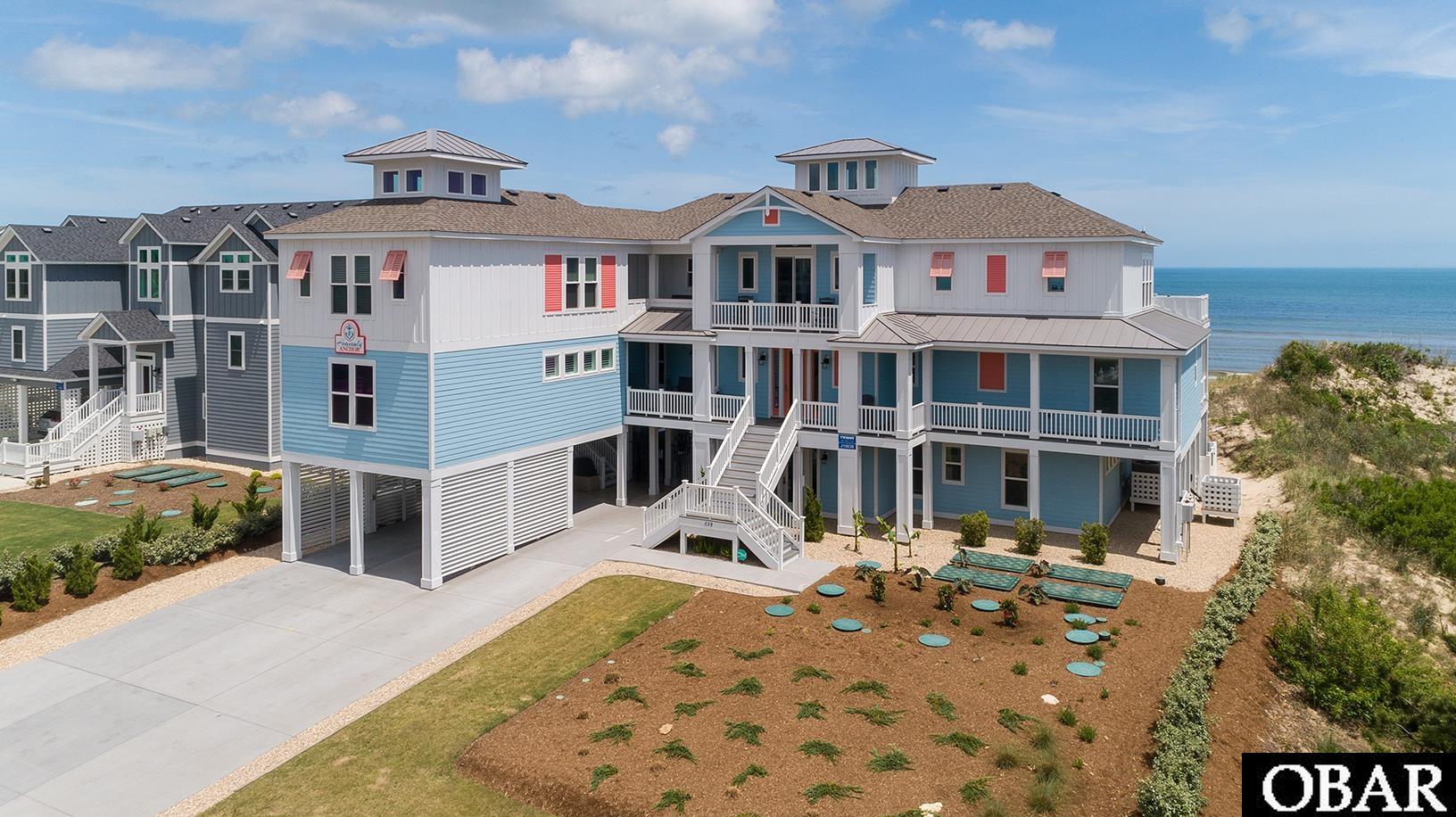
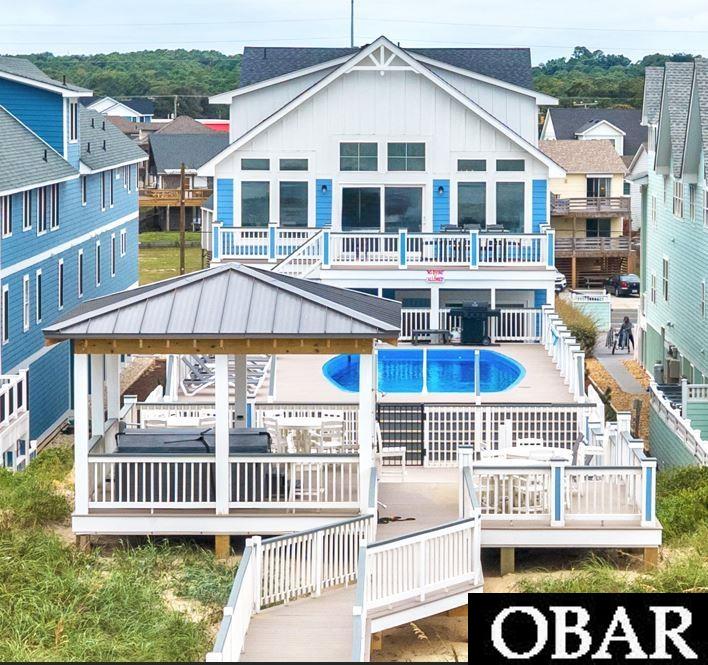
If you see an oceanfront home priced $500k below the market average, you haven't found a bargain—you've found a "Wash-In." In 2026, these properties aren't just investments; they are ticking financial time bombs.
Erosion Rates: The Price Determinant
On the Outer Banks, you aren't just buying a house; you are buying the sand beneath it. Stable areas like Corolla or Southern Shores command high prices because the land is staying put.
High-Risk Hot Spots
Erosion in these areas can exceed 14 feet per year. Currently, the most "active" wash-in zones include:
- Rodanthe: Specifically Ocean Drive and G.A. Kohler Court.
- Buxton: Tower Circle and the "Old Lighthouse" area.
- South Nags Head: Mileposts 18–21.
- Kitty Hawk: The "S-Turns" and north end.
Common Myths vs. Reality
Many buyers think they can "engineer" their way out of erosion. Here is why those ideas fail under North Carolina law:
Myth: "I'll just build a seawall."
Reality: Hardened structures (bulkheads, jetties, rock walls) are illegal on NC beaches. You cannot build anything to stop the ocean from reaching your house.
Myth: "I'll use sandbags."
Reality: Sandbag permits are temporary and strictly regulated. Unless a town has an active beach nourishment project moving forward, sandbag permits are nearly impossible to renew.
Myth: "The pilings are deep enough."
Reality: The pilings might hold the house up, but the ocean will wash away the septic system. Without a functioning septic tank, the town will condemn the house immediately.
The Insurance Trap: A Waiting Game
Many owners of wash-ins are stuck. They cannot sell the home, and it costs $50,000+ to move or $20,000+ to demolish it.
The Harsh Truth: Insurance (NFIP) typically only pays out when the house is destroyed. This leads to a "condemned state" where owners pay a mortgage on a house they can't use, praying for a storm to finally take it so they can collect the insurance—only to find that debris cleanup costs can eat up most of their settlement.